
TMJ (Temporomandibular Joint)
Alina Dental Clinic
TMJ (Temporomandibular Joint)
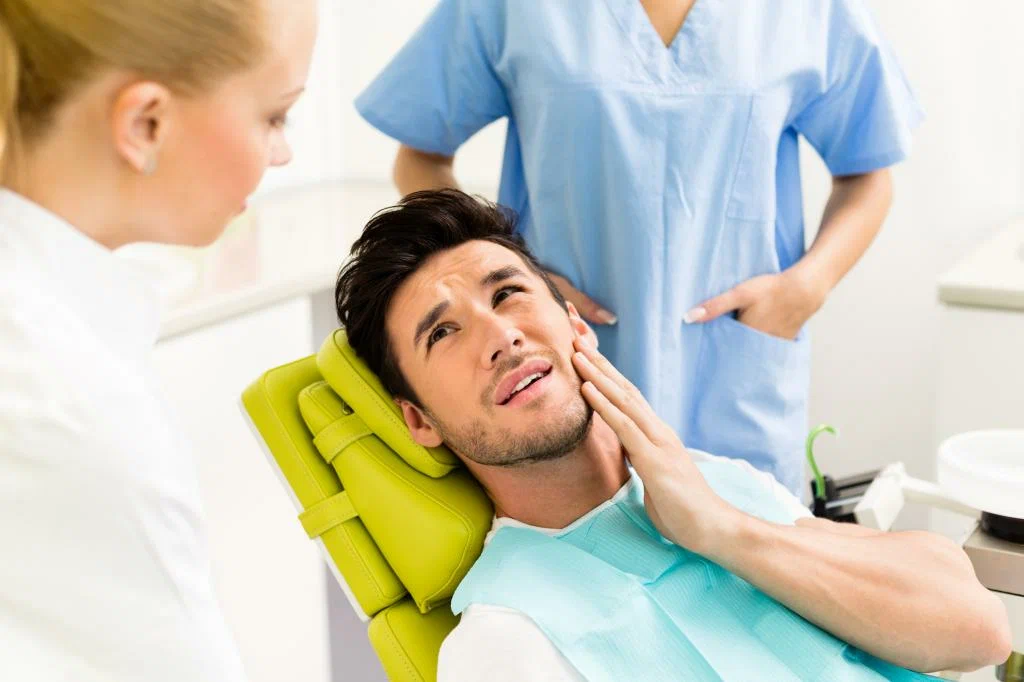
TMJ Treatment in Lahore, Pakistan is available at Alina Dental Clinic for patients experiencing jaw pain, discomfort, or limited movement. The temporomandibular joint (TMJ) connects your jaw to your skull, and disorders in this area can lead to headaches, neck pain, and difficulty in chewing or speaking. Our clinic offers advanced, personalized treatment options to effectively manage TMJ disorders and help you regain comfort and jaw function.
Relieve TMJ Pain with Effective Treatment
TMJ disorders can be caused by injury, stress, teeth grinding, or misalignment of the teeth and jaw. Whether you’re experiencing jaw pain or clicking, our team is here to provide the relief you need.
Reasons
Why Choose TMJ Treatment?
At our trusted family dental clinic in Lahore, TMJ treatment plays a vital role in relieving pain, preventing long-term damage, and improving jaw function. By targeting the root cause of TMJ disorders, we help restore your ability to speak, eat, and live comfortably. Our personalized treatment plans focus on reducing inflammation, relieving discomfort, and realigning the jaw for a healthier, pain-free life.
Get Relief form Pain
Restores Functionality
Reduces Inflammation
Prevents Further Damage
Schedule Your Dental Visit Today!
Book your appointment effortlessly and secure your path to a healthier, brighter smile
Types of TMJ Treatments
At Alina Dental Clinic, we offer personalized TMJ treatments:
- Oral Appliances: Custom splints and nightguards to reduce grinding and relieve pressure.
- Physical Therapy: Exercises to strengthen muscles and improve jaw mobility.
- Medications: Anti-inflammatory drugs, muscle relaxants, and pain relievers for relief.
- Cognitive Behavioral Therapy (CBT): Helps manage stress contributing to TMJ issues.
- Surgical Options: In severe cases, procedures like arthrocentesis or TMJ replacement.


Benefits of TMJ Treatment
- Pain Relief: Alleviate the discomfort caused by TMJ disorders, including jaw pain, headaches, and neck tension.
- Improves Jaw Function: Restore your ability to open and close your mouth with ease.
- Prevents Further Damage: Prevents the progression of TMJ disorders, reducing the risk of permanent joint damage.
- Enhances Quality of Life: TMJ treatment can improve your daily function, allowing you to eat, speak, and live without pain.
- Reduces Inflammation: Decreases swelling and inflammation in the jaw joint, providing long-term relief.
- Promotes Relaxation: Eases muscle tension and stress, helping to prevent further teeth grinding and jaw clenching.
Quick Help & Info
Find answers to your most common dental questions and concerns. Get quick and helpful solutions to address your oral health needs and improve your smile.
TMJ (temporomandibular joint) refers to the hinge that connects your jaw to your skull. A TMJ disorder occurs when there is dysfunction in this joint, leading to pain and difficulty moving the jaw.
TMJ disorders can be caused by various factors, including jaw injury, teeth grinding, misalignment of the teeth or jaw, stress, or arthritis.
Common symptoms of TMJ include jaw pain, clicking or popping sounds when opening or closing the mouth, difficulty opening the mouth, headaches, earaches, and neck pain.
Treatment options for TMJ include oral appliances (splints or nightguards), physical therapy, medications (anti-inflammatory drugs or muscle relaxants), cognitive behavioral therapy (CBT) for stress, and in some cases, surgical procedures.
While TMJ disorders may not always be completely curable, treatments can manage symptoms, relieve pain, improve jaw function, and prevent further damage.
The length of treatment varies based on the severity of the disorder. Some patients experience relief within a few weeks, while others may need more long-term management.
Most TMJ treatments are non-invasive and designed to reduce discomfort. Any pain associated with treatment is usually minimal and temporary.
Untreated TMJ can lead to chronic pain, worsening jaw dysfunction, and even permanent damage to the jaw joint. Early intervention can prevent these issues.