Crooked Teeth Treatment in Lahore
What are Crooked Teeth?
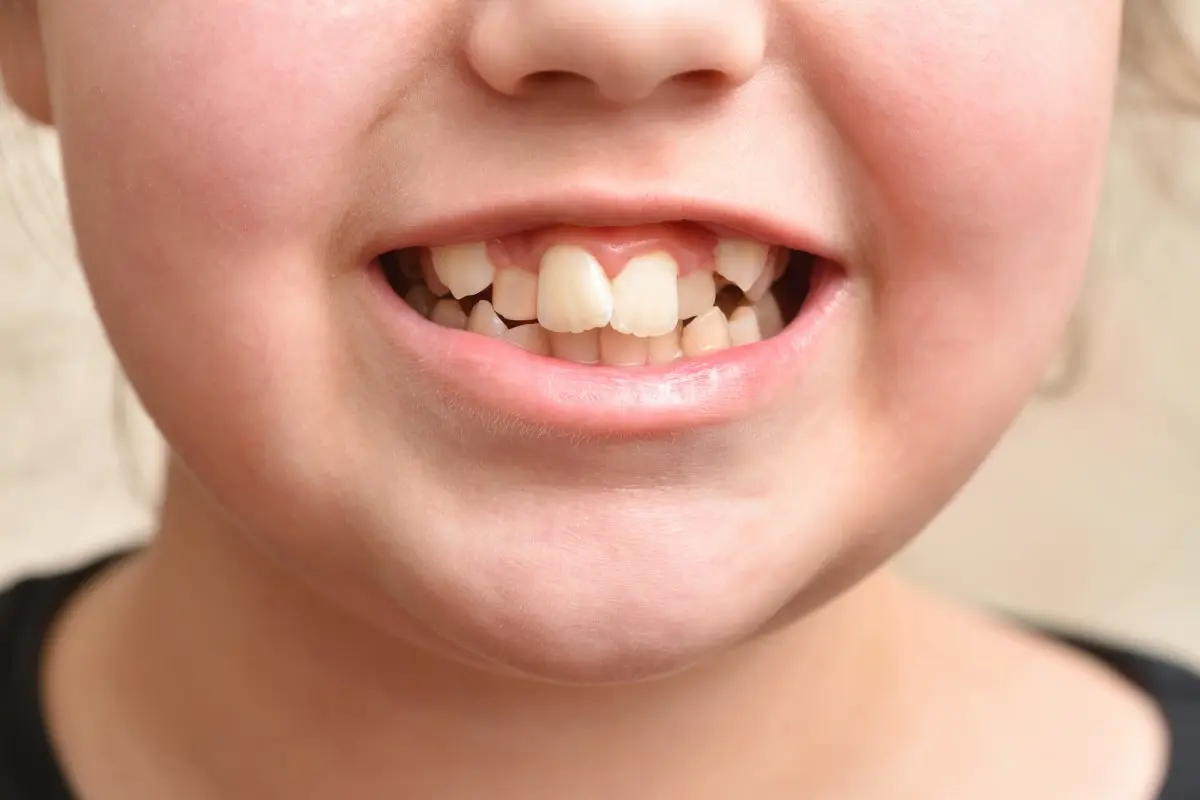
Crooked teeth refer to misaligned, overlapping, twisted, or unevenly spaced teeth. These issues not only affect the appearance of your smile but also your oral health. Causes can include genetics, jaw size, childhood habits, or injuries. Crooked teeth are harder to clean properly, increasing the risk of cavities, gum disease, and uneven wear. If left untreated, they may lead to jaw pain or difficulty chewing. At Alina Dental Clinic, the best dentist in Lahore offers expert solutions to correct misalignment and improve your comfort and dental health.
At Alina Dental Clinic, we provide tailored orthodontic solutions to help straighten crooked teeth, improving both aesthetics and functionality for a healthier, more confident smile.
Common Causes of Crooked Teeth
Jaw pain can result from various issues, including TMJ disorders, teeth grinding, dental problems, injury, or stress. Identifying the cause is key to effective treatment and lasting relief.
Genetics
Inherited traits like jaw size or dental structure misalignments
Childhood Habits
Thumb-sucking, pacifier use, or tongue thrusting during early years
Tooth Loss
Losing baby or adult teeth causes neighboring teeth shift
Injury or Trauma
Accidents or jaw injuries can alter the alignment of teeth
Treatment Options for Crooked Teeth
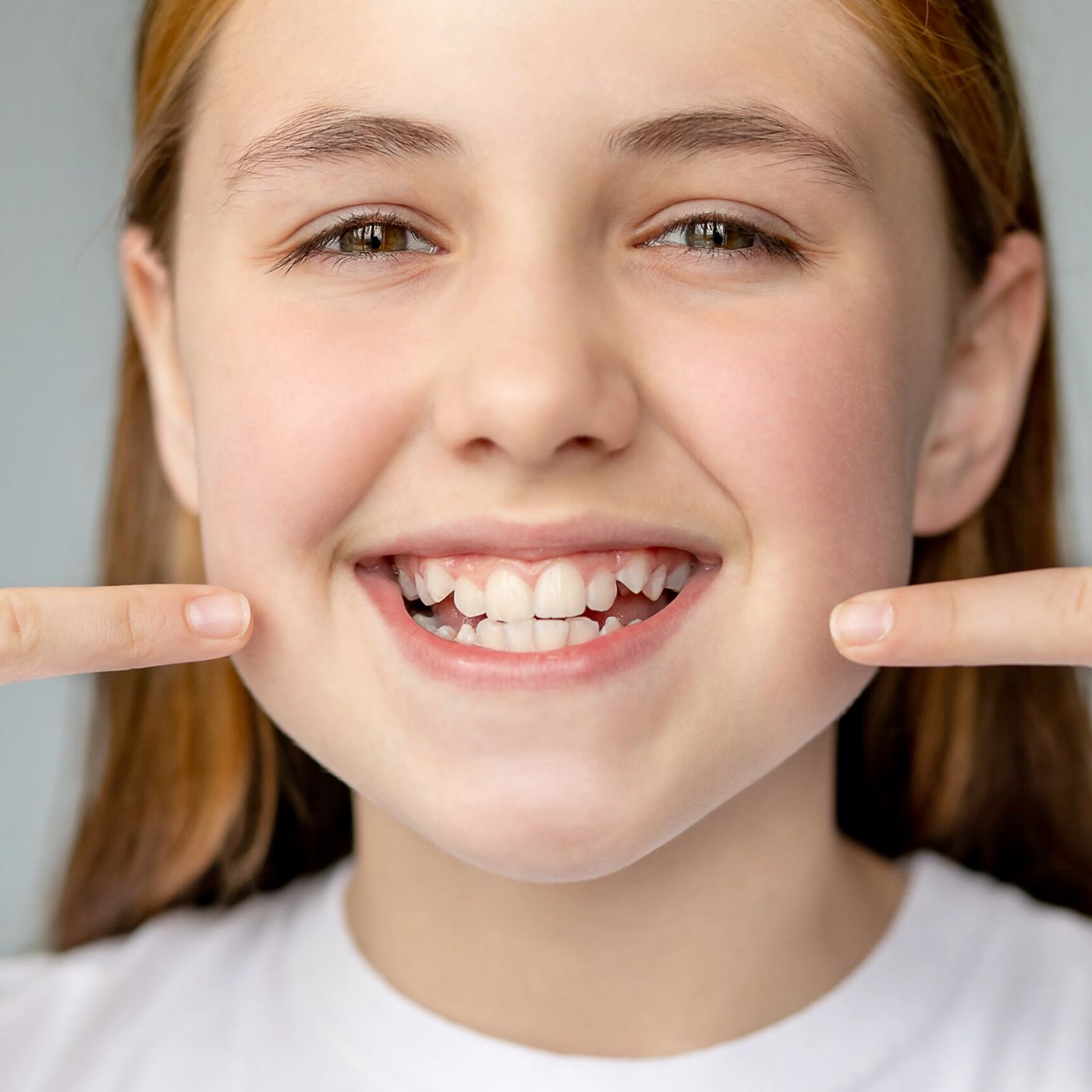
At Alina Dental Clinic, we offer a range of treatments to correct crooked teeth:
- Braces: Metal or ceramic braces offer gradual teeth realignment, improving both function and appearance. If you’re considering this option, it’s helpful to explore the teeth braces price to find a solution that fits your budget and dental needs.
- Invisalign®: Clear, removable aligners for discreet and convenient orthodontic treatment.
- Retainers: Devices to maintain teeth alignment post-treatment.
- Orthodontic Surgery: For severe misalignments or bite issues requiring surgical correction.
- Dental Bonding or Veneers: Cosmetic solutions for minor alignment problems to improve aesthetics.
Schedule Your Dental Visit Today!
Book your appointment effortlessly and secure your path to a healthier, brighter smile
Quick Help & Info
Find answers to your most common dental questions and concerns. Get quick and helpful solutions to address your oral health needs and improve your smile.
Jaw pain can cause discomfort in the jaw, face, neck, or head. You may experience pain while chewing, talking, or yawning. Clicking or popping sounds in the jaw joint and difficulty opening or closing the mouth are also common.
TMJ disorders are often caused by jaw misalignment, injury, teeth grinding, or stress. These conditions lead to inflammation and dysfunction in the temporomandibular joint (TMJ), which connects the jaw to the skull.
Teeth grinding (bruxism) puts excessive pressure on the jaw joint and muscles, leading to soreness, tension, and pain. This often occurs during sleep due to stress, anxiety, or misaligned teeth.
Yes, jaw pain can interfere with sleep. Discomfort from TMJ disorders or teeth grinding may cause difficulty falling asleep or staying asleep, leading to fatigue and other health problems.
If you experience persistent jaw pain, difficulty moving your jaw, or recurring headaches, it’s important to consult a dentist. Early treatment can prevent further damage and alleviate discomfort.
Yes, stress can lead to jaw pain by causing muscle tension and jaw clenching. This can worsen existing jaw issues and contribute to TMJ disorders or teeth grinding.
Yes, an injury to the jaw, such as a blow to the face or whiplash, can cause jaw pain and misalignment, leading to discomfort and difficulty moving the jaw.
Jaw pain is typically diagnosed through a detailed examination by a dentist or a TMJ specialist. X-rays, CT scans, or MRI may also be used to assess the jaw joint and detect underlying issues.